
AI decision systems
What it takes to move AI from a good demo to a system operators trust every week. Articles on agentic analytics, context models, build vs buy, and where a human stays in the loop.
43 articles
Decision automation vs. decision augmentation: why the distinction matters
Decision automation acts without people. Decision augmentation makes people faster and sharper. Here is which model fits which decisions.

It demos well (that's the problem)
AI analytics doesn't fail loud, it fails fluent. Why a confident wrong number looks just like a right one, and the architecture that prevents it.

Your AI doesn't need to be smarter to work in analytics. It needs a harness.
For years I told anyone who would listen that AI would not work in analytics. It doesn't know your data. It doesn't know you.

Why dumping documents into an AI won't save you
A pile of documents is not a context model. Why unstructured, generic AI produces untrustworthy answers, and what structured judgment does instead.

Build vs Buy Analytics: Who Actually Uses It
Any BI team can demo AI analytics in three weeks. Production is a different project. The six components that break when you build it yourself.

Dashboard summaries are easy. Investigation is not.
Claude Code can summarize a dashboard. Real analytics is a chain of follow-up questions, and that investigation playbook has to be written down.

SaaS apps have data models. AI apps have context models. Here's why that distinction matters.
Most of the money going into enterprise AI right now is being spent on the wrong problem. Companies are buying bigger models and better dashboards. What they are missing is the thing that makes either one useful: a context model.

AI decision management is inevitable, here's why
AI decision management is the practice of encoding how decisions actually get made in a business (what data inputs mattered, which exceptions were granted, and what happened next) so that AI can augment those decisions consistently and at scale. Unlike generic AI tools that reason from scratch every time, AI decision management systems build and maintain a structured record of organizational judgment.

The AI trust problem nobody is talking about
Brad Peters on why trust, not data, is the scarce asset in the AI era. A reflection on his REALM Leading Minds session and what it means for operators.

You can't trust an answer you can't reproduce
Same question, different answer, no data change. Why ungoverned AI analytics isn't reproducible, and three questions to test any vendor's system.

Why building Your Own AI Context Layer Is Harder Than It Looks
Structured context and an AI application layer can find performance opportunities and recommend the best actions across multiple locations.

Understanding Human in the Loop AI
Human in the loop AI keeps people in the decision loop for better accuracy. See how hybrid systems beat full automation in 2026 operations.

The AI is the easy part
Here is the thing almost everyone has backwards right now. The AI is the easy part. It is a commodity. I can rent the same models you can, from the same handful of companies, for the same price.

What Is Agentic Analytics?
Agentic analytics uses autonomous AI agents to run the full analytical workflow: data prep, BI, ML, and interpretation. Here's what it is and how to evaluate it.
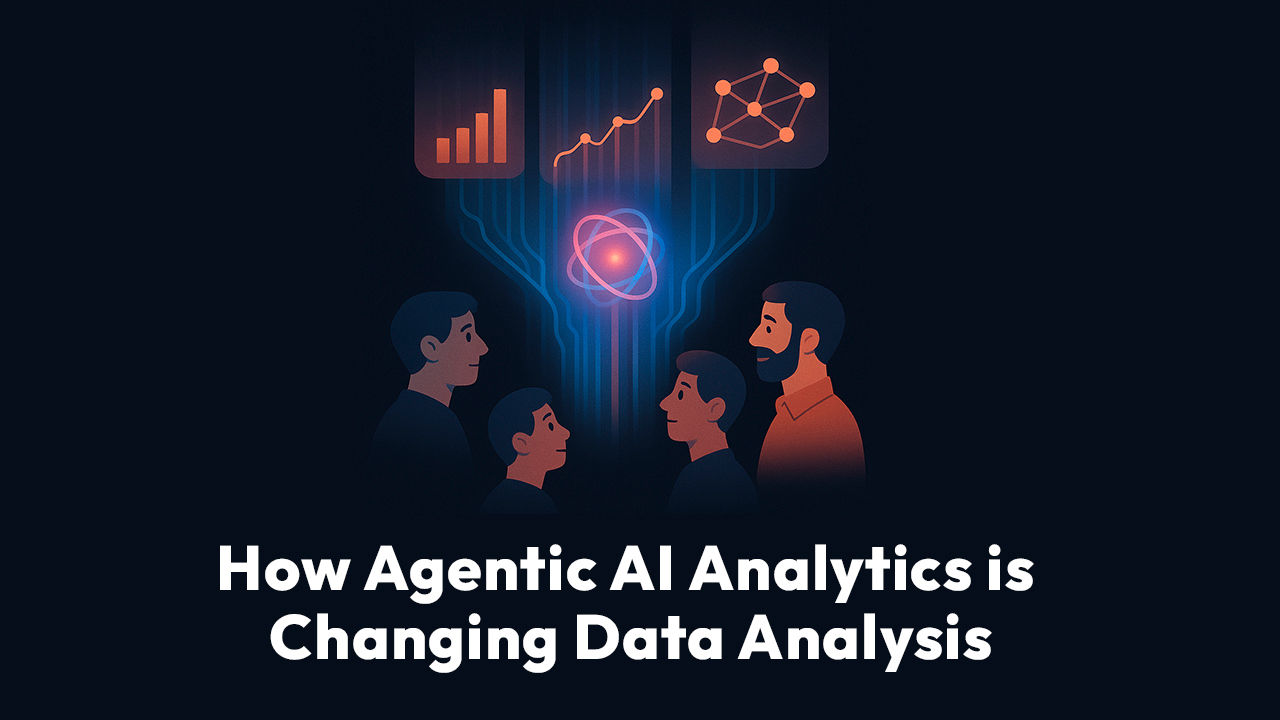
How agentic AI analytics is changing data analysis
Agentic AI analytics moves data work from reports to autonomous investigation. See how leading teams cut decision cycles, close the production-readiness gap, and pick the right platform in 2026.
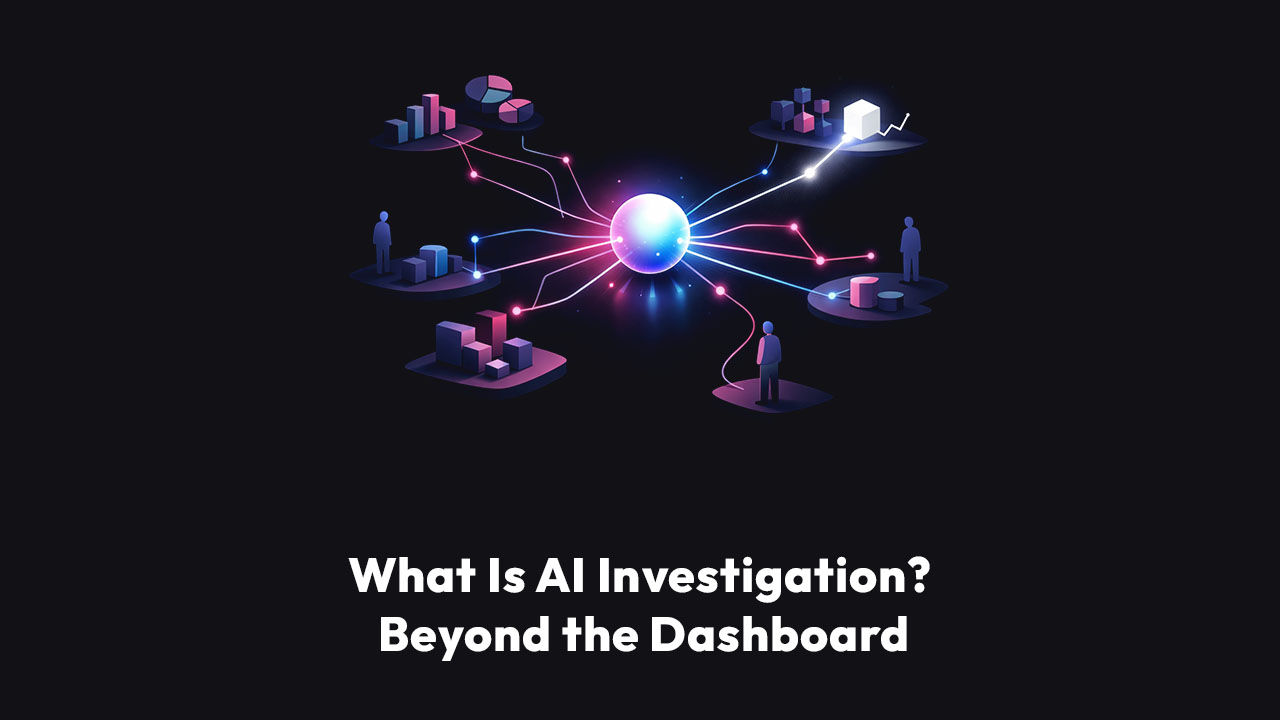
What Is AI Investigation? Beyond the Dashboard
AI investigation is the process of using autonomous AI systems to move beyond surface-level data reporting. Rather than displaying what happened, AI investigation tests multiple hypotheses, identifies root causes, and delivers prescribed actions. It runs without manual prompting, across every location or entity in your operation, continuously.
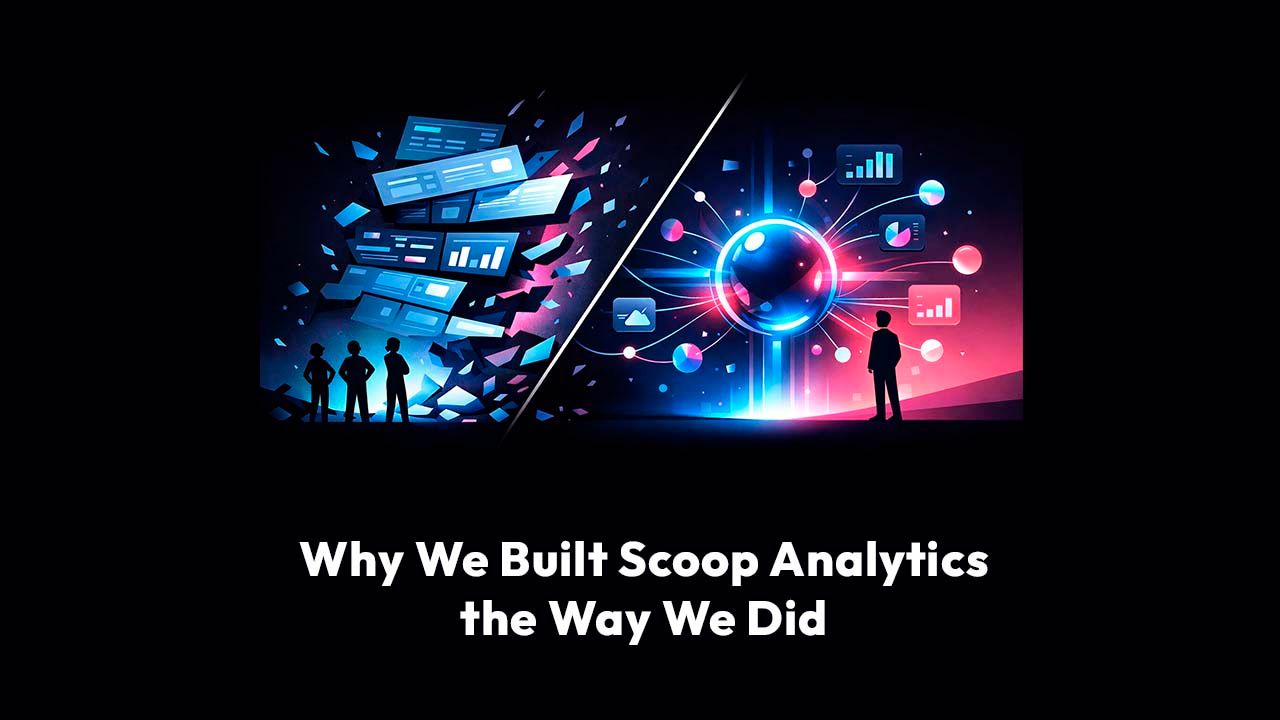
Why We Built Scoop Analytics the Way We Did
When a 200-line markdown file erases $285 billion in market value overnight, you know something fundamental just shifted. Not just stock prices, the entire logic of how we build and sell software.

How Business Intelligence Helps in Decision Making
In this article, we explore how the shift toward decision intelligence is solving this "last mile" problem. Discover how autonomous AI investigations are replacing manual data engineering, empowering operations leaders with the plain-English explanations needed to turn raw metrics into immediate, profitable action.

What Is Decision Intelligence?
Have you ever stared at a "green" dashboard while your revenue was actually in the red? Most business operations leaders are drowning in data but starving for answers because traditional tools show you what happened, but never why. Decision intelligence is the missing link—a revolutionary discipline that moves beyond static charts to provide autonomous, explainable investigations that tell you exactly what to do next.
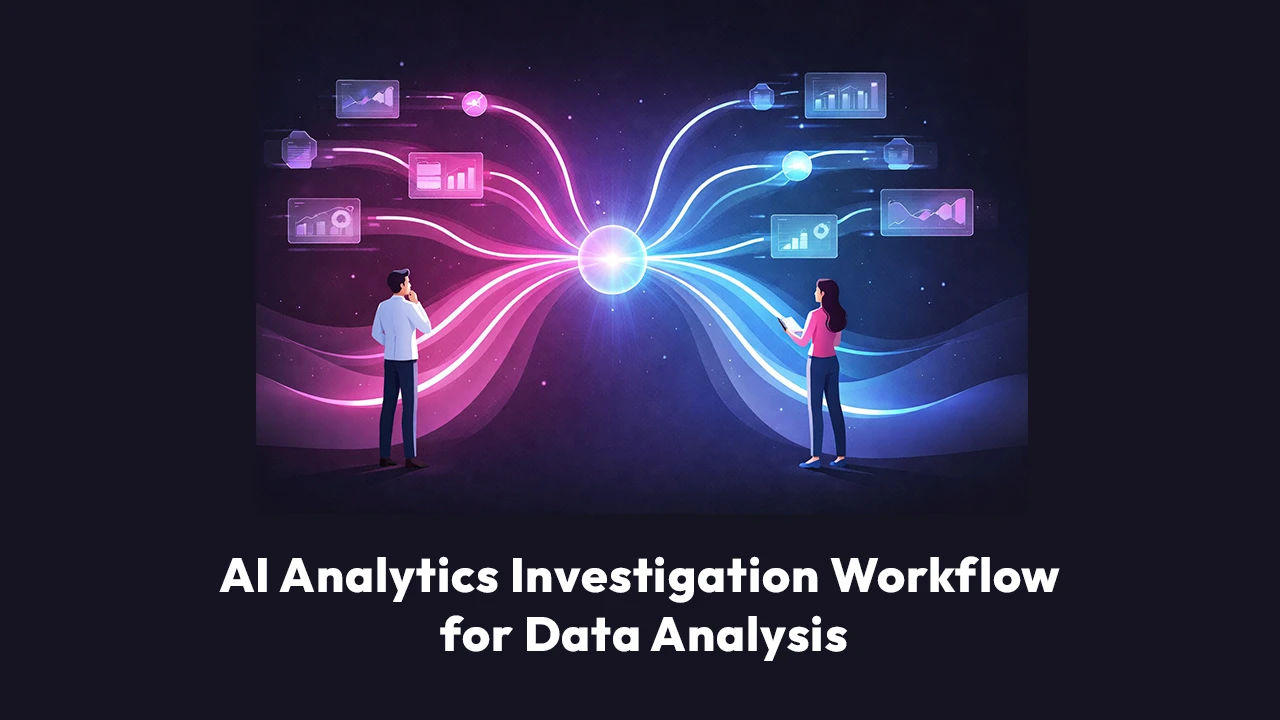
The AI Analytics Investigation Workflow
An AI analytics investigation workflow is a multi-query, hypothesis-driven process where AI automatically coordinates several parallel data analyses to answer a complex business question in one continuous workflow—instead of requiring a human to manually run, interpret, and reconnect individual queries. In practice, this means going from question to root cause in under a minute.

Monitoring Analytics Tells You 'WHAT' But Investigation Tells You 'WHY'
Investigation-grade analytics is a systematic analytics investigation process that goes beyond monitoring metrics to uncover root causes through multi-hypothesis testing. While monitoring dashboards show what's happening in your business, investigation-grade analytics reveals why it's happening—enabling you to take targeted action rather than making educated guesses.
From Data Labeling to Ethical Oversight
Human-in-the-loop AI is transforming how operations teams make decisions at scale. Unlike fully automated systems that operate without oversight, human-in-the-loop-ai strategically combines machine efficiency with human judgment at critical decision points—delivering both speed and accountability. This guide breaks down everything you need to know—from data labeling to ethical oversight—with practical strategies that work for real operations teams.
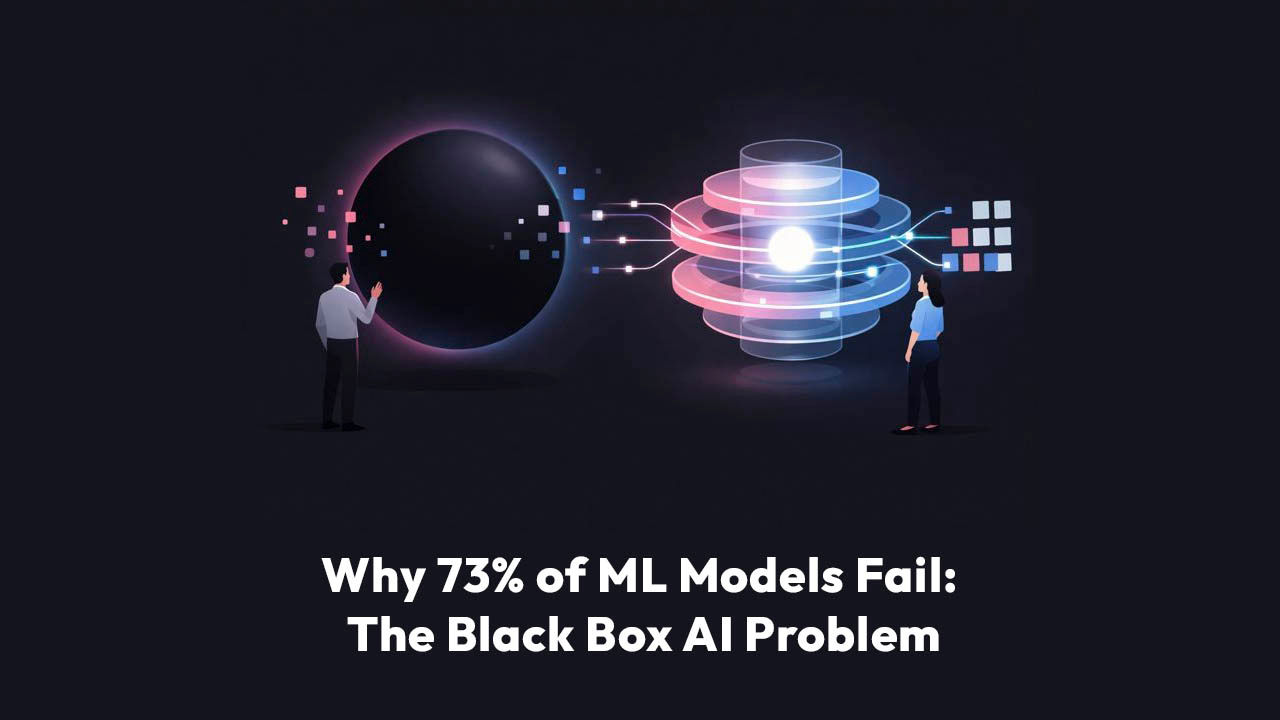
The Hidden Cost of Black Box AI
Your data science team just spent six months and $200,000 building a 94% accurate model. Then a business stakeholder asks one simple question: "Why did it flag this customer?" The project dies in that meeting. This happens to nearly three-quarters of all ML projects. Here's why-and how to fix it.

Human-in-Loop vs. AI Autonomy
Should AI run your operations autonomously or with human oversight? Learn when to use human-in-the-loop vs. full AI autonomy to reduce risk and improve decisions.

Why Human-in-the-Loop (HITL) is the Secret to Responsible AI in 2026
Here's something most AI vendors won't tell you: the smartest AI systems in 2026 aren't the ones running completely on autopilot. They're the ones that know when to ask for help using human-in-the-loop (HITL).

The Strategic Benefits of a Human-In-The-Loop Workflow
You've invested in AI to streamline operations. Maybe you've deployed chatbots for customer service, predictive analytics for inventory management, or automated quality control systems. But here's the uncomfortable question nobody wants to ask: What happens when your AI makes a mistake?
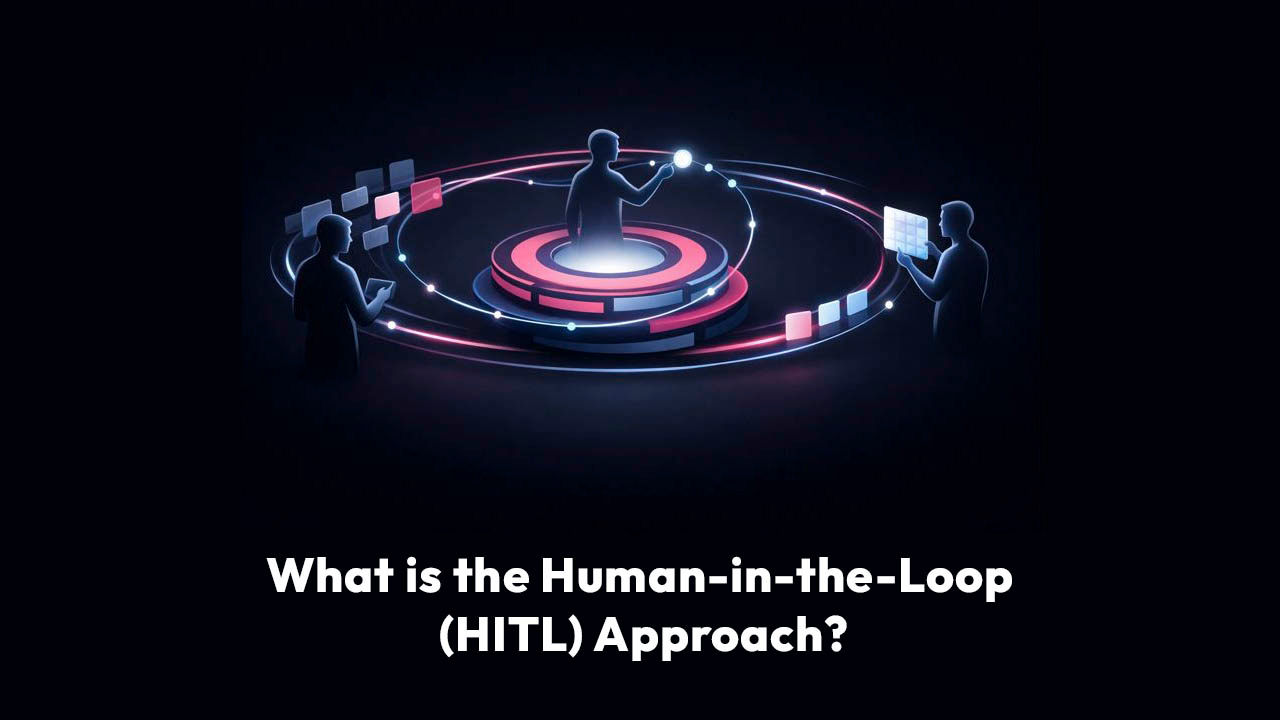
What is the Human-in-the-Loop (HITL) Approach?
Human-in-the-loop (HITL) is an AI design approach where humans actively participate in training, validating, and overseeing machine learning systems throughout their lifecycle. Unlike fully automated AI, HITL systems incorporate strategic checkpoints where human judgment corrects errors, handles edge cases, and ensures decisions align with business values and ethical standards.

What Are the Technical Foundations and Components of Agentic Analytics?
Agentic analytics is an AI-driven approach that autonomously explores data, generates insights, and recommends or executes actions without constant human oversight. Unlike traditional business intelligence that waits for you to ask questions, agentic analytics proactively identifies patterns, investigates anomalies, and suggests next steps—transforming your data infrastructure from a passive reporting tool into an active decision-making partner.
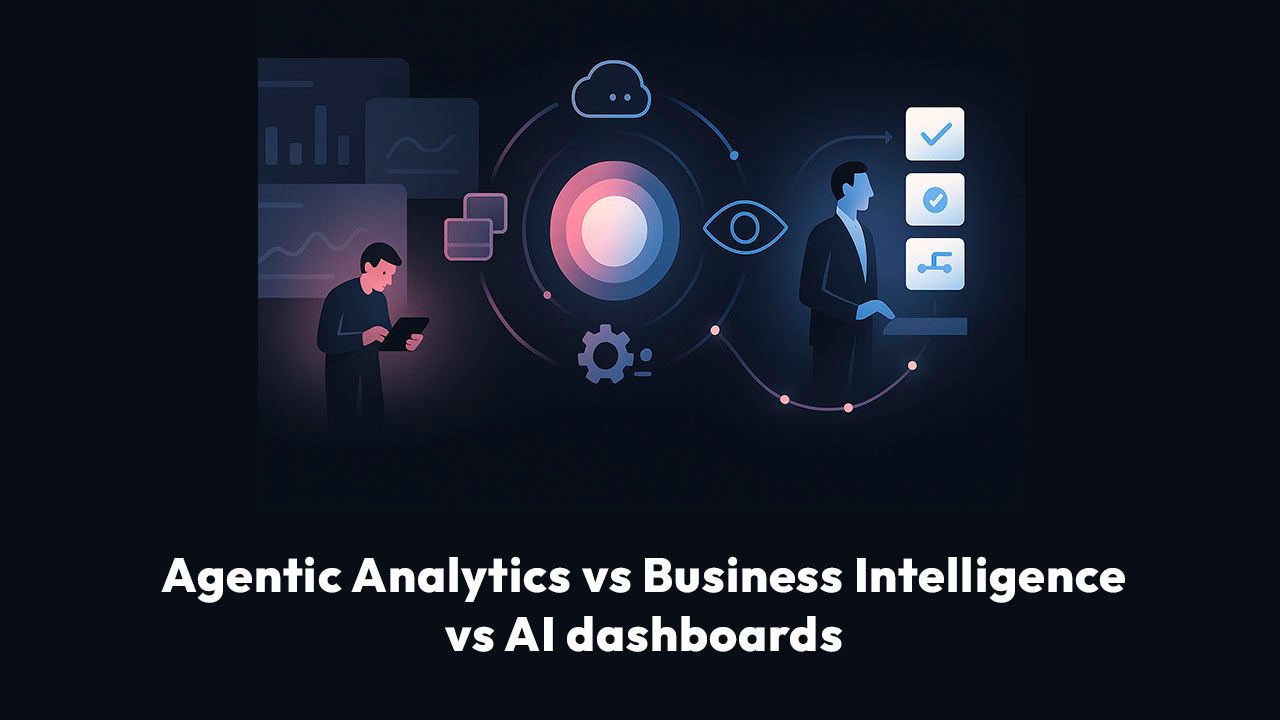
How is Agentic Analytics different from traditional BI (Business Intelligence) or AI dashboards?
How is Agentic Analytics fundamentally different from traditional Business Intelligence (BI) tools or modern AI Dashboards?

Agentic Analytics Use Cases for Predictive and Prescriptive Analytics
Can AI actually predict which customers will churn next month and tell you exactly what to do about it? Yes—and it's happening right now through agentic analytics, transforming how businesses move from reactive reporting to proactive decision-making. Unlike traditional analytics that simply shows you what happened, agentic analytics investigates why it happened, predicts what will happen next, and prescribes specific actions to change outcomes.
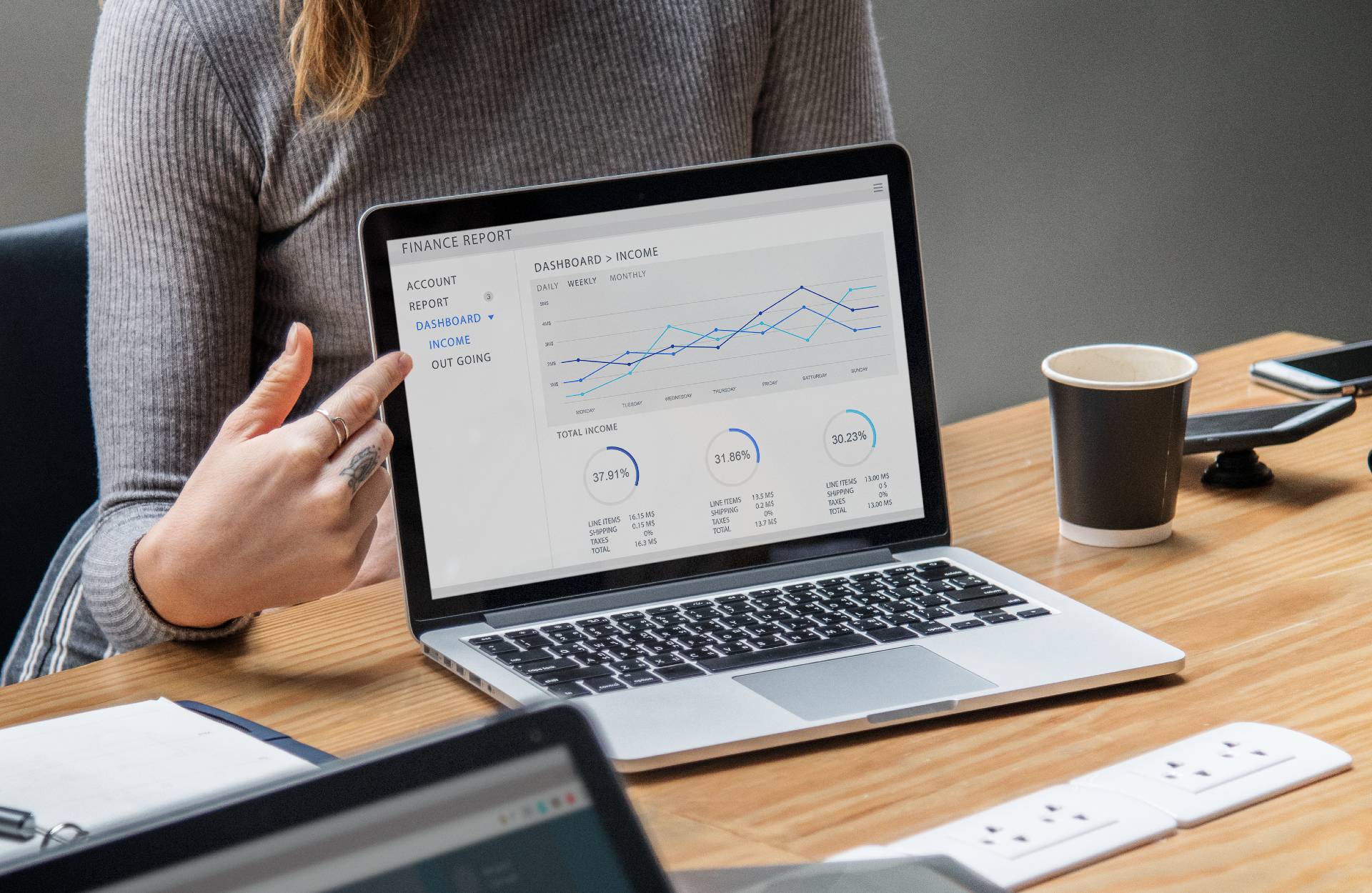
"I Don't Need More Tech. I Need to Push the Needle": What I Learned from a Marketing Leader This Week
A marketing leader's honest feedback reveals the evolution beyond traditional business intelligence platforms. Learn why conversational intelligence platforms and agentic ai analytics are creating operational feedback loops. The next generation of analytics doesn't just inform decisions: it actively transforms business processes through automated write-backs, real-time scoring, and continuous improvement cycles.
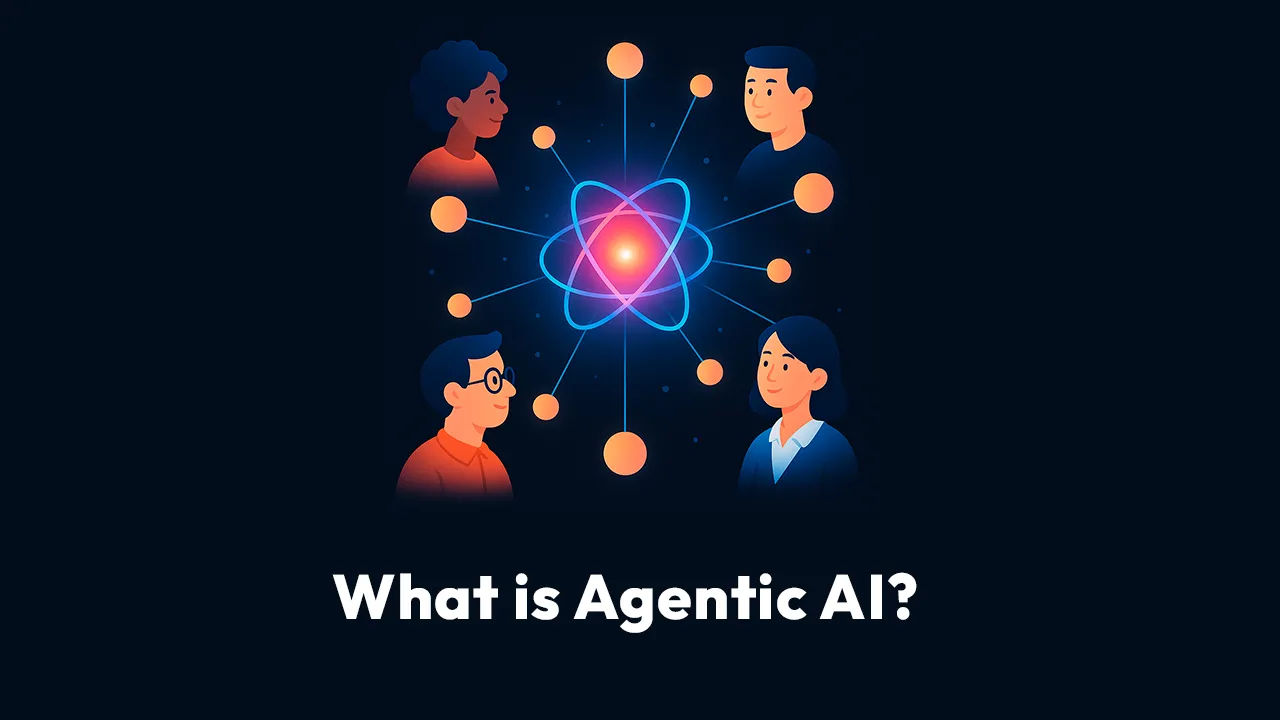
What is Agentic AI?
Today you'll learn what agentic AI is and how AI agents transform business operations. Discover how to define agentic systems, understand key benefits, and implement autonomous AI that works 24/7 to optimize your processes and boost efficiency.

What I Learned About AI Analytics This Week
This week I sat in with a VP at a cybersecurity company. About halfway through our conversation, as we discussed their current reporting approach, he said something that perfectly captured what we're seeing across hundreds of conversations with business leaders:
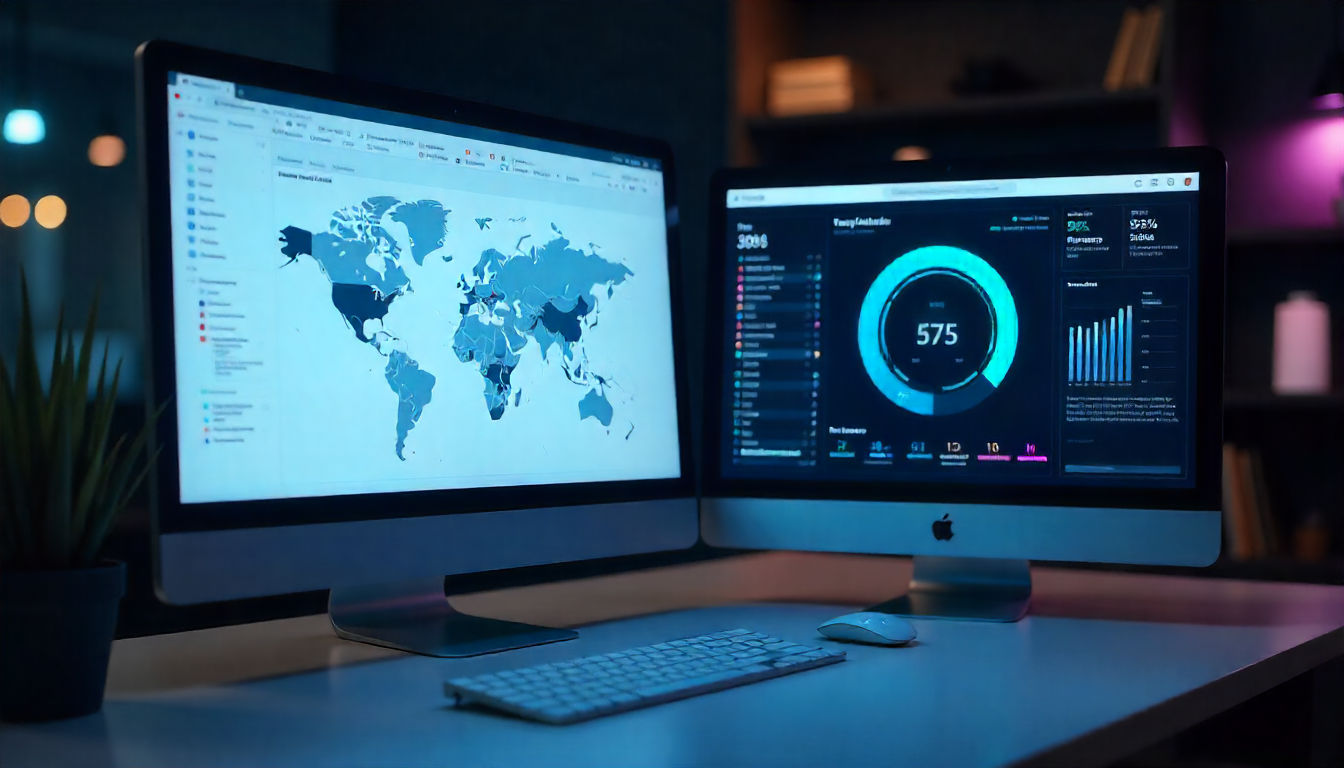
The Enterprise Playbook: Pairing Scoop with Your Existing BI Stack
Walk into almost any large organization, and you’ll find a BI tool at the center of their reporting world. For many, that’s Tableau. In other cases, it’s Power BI, Looker, or a mix of platforms stitched together. These tools are exceptional for building polished, standardized dashboards — the kind you share in executive meetings, quarterly reviews, or board presentations.
We Just Gave Everyone in Slack a PhD in Data Science
Look, I've been building analytics companies for 20 years, and here's what drives me crazy: We've made incredible advances in AI and data processing, yet most business people still can't get a straight answer about why their numbers changed last week.

Your Best Marketing Insights? Just One Slack Message Away
I’ve spent years building analytics solutions and working alongside marketing teams across industries—and I’ve watched this story play out again and again: there’s a spike in conversions, or a dip in engagement, and someone asks, “What happened?”

There’s a Pattern in Your Pipeline. Scoop Will Find It.
Every marketer knows the feeling: The campaign looked great on paper. CTRs were solid. The budget was optimized. Engagement? Higher than forecast. But when pipeline numbers finally came in… it just didn’t translate. The leads didn’t convert. Opportunities stalled. Revenue impact? Underwhelming at best.

Segment and Cluster Discovery: Your AI Data Scientist's First Superpower
When we set out to build Scoop, we knew the first superpower our AI data scientist needed was this: the ability to find what you didn’t know to look for.

Why We Built Scoop: The First Real AI Data Scientist
I’ve spent my entire career at the intersection of data, decisions, and business performance. And I can tell you—unequivocally—that despite decades of tools, platforms, dashboards, and buzzwords, most teams are still flying blind.
Scoop’s AI Data Tool: Your Own Data Analyst, Powered by Agentic Analytics
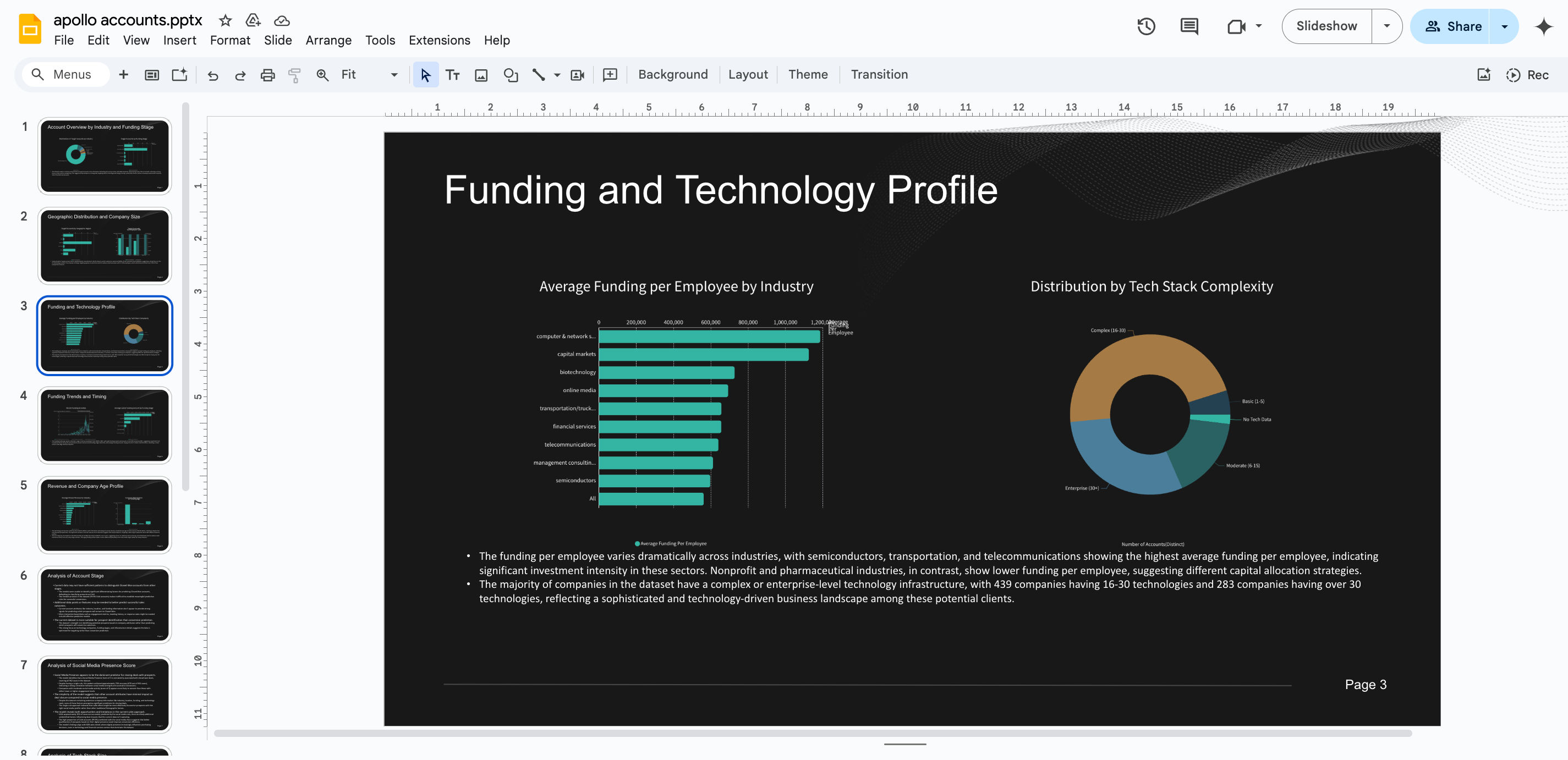
We just launched Scoop’s AI Data Tool—a first-of-its-kind way to get analyst-level insights without lifting a finger. No login, no signup. Just drop your file, ask a question, and get a ready-to-share presentation in your inbox—complete with charts, explanations, and an executive summary that reads like it came from a real analyst.

GPT Feels Like It Knows Your Data—But It Might Be Lying
By Brad Peters, CEO of Scoop

How to Build a Fully Agentic Analytics Stack—From Data Prep to ML
Most analytics tools today still depend on people doing all the setup—cleaning data, building dashboards, writing formulas, and interpreting reports.

The “Modern Data Stack” Is Dead. Agentic BI Is the New Standard
For years, businesses have built their analytics strategies around the so-called "modern data stack" — a patchwork of tools for data storage, processing, visualization, and reporting. But the reality? This fragmented approach is failing the people who rely on data to make decisions.
Book a discovery call
Reach out to start a two-way conversation about your industry, your performance variations across locations, and whether Scoop is the right fit for you.